
Case Study: Implementation of a Unified RAIN RFID Platform for Vehicle Tracking at Global Volvo Cars Plants

Case study update date:
Case Study: Implementation of a Unified RAIN RFID Platform for Vehicle Tracking at Global Volvo Cars Plants
The strategic transition from disparate systems to a unified RFID platform enabled Volvo to achieve 99.9% tracking accuracy, reduce operational costs, and increase production flexibility amidst the shift to electric vehicles.
Company and Production Context
Volvo Cars is a Swedish premium car manufacturer with a global production network (plants in Sweden, Belgium, China, USA). Annual output amounts to hundreds of thousands of vehicles, including XC90, XC60, and electric Polestar models. The assembly process is strictly sequential, focusing on lean principles and just-in-time. Between 2018 and 2022, the company implemented a program to replace legacy mixed RFID systems (LF/HF/UHF) with a single standardized RAIN RFID platform for end-to-end vehicle body tracking from paint shop to shipping.
Problems Before Implementation
The use of heterogeneous RFID systems from different vendors and frequencies created a set of problems:
- High operational costs due to the need to maintain multiple types of readers and antennas.
- Compatibility errors and data discrepancies between systems (at a level of 10–20%).
- Delays on the production line due to unstable tag reading.
- Significant labor costs for calibration, repair, and managing multiple contracts.
- Risks of incorrect body routing, leading to conveyor downtime across the entire plant network.
Solution and Architecture
A unified platform based on passive UHF RAIN RFID technologies was deployed:
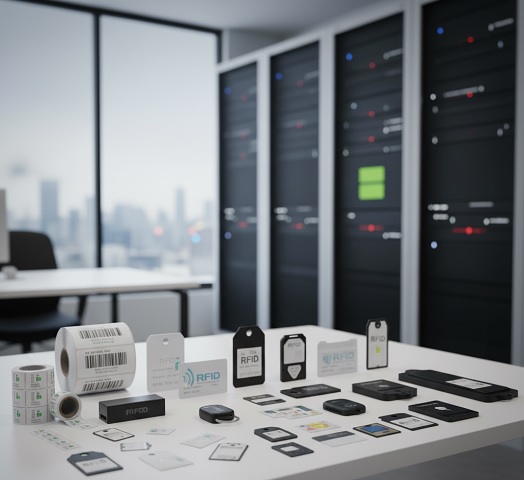
- Tags: Reusable passive UHF tags (EPC Gen2) with Impinj Monza R6/M730 chips in Confidex Carrier Tough Slim housings, resistant to the production environment and metal. Tags are attached to the body or transport carrier after painting and are used for a cycle of up to 100 vehicles.
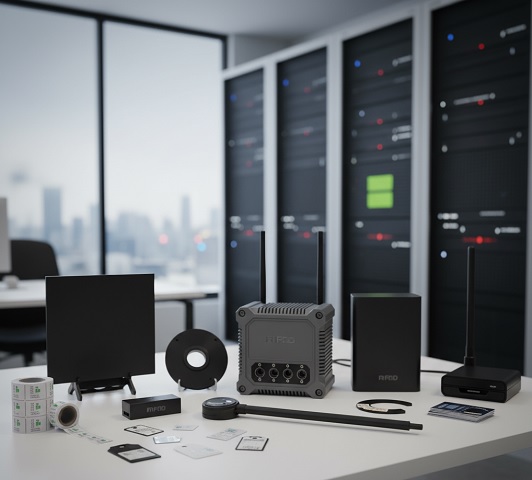
- Equipment: Fixed Impinj Speedway R700 readers with custom antennas installed on portals, conveyor transitions, and key stations (over 200 points per plant). Additionally, handheld readers are used for spot verification.
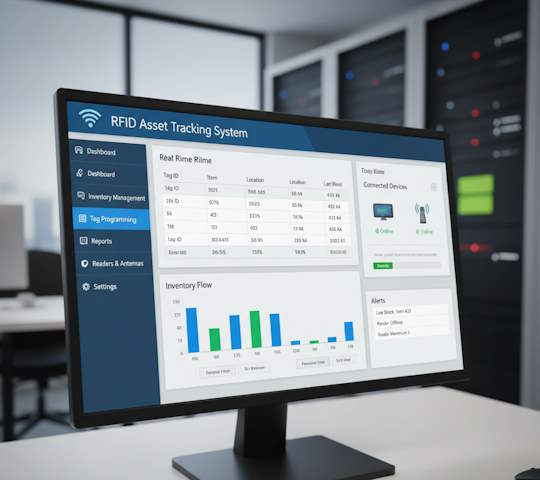
- Integration: Impinj ItemSense platform for managing RFID data, integrated with Volvo's proprietary MES (Vehicle Tracking System). Bulk reading of up to 1000+ tags per second at a distance of up to 10–12 meters is ensured.
- Standardization: Unification on a single technology stack (Impinj, Confidex) for all plants.
Process After Implementation (As-is / To-be)
| As-is (Before) | To-be (After) |
|---|---|
| Disparate systems with different readers and frequencies | Single standardized RAIN RFID platform |
| Manual calibration and frequent read failures | Automatic registration at all conveyor transitions (paint → trim → final assembly → shipping) |
| Multiple maintenance contracts | Standardized maintenance from a single vendor |
| Lack of a unified view across different plants | End-to-end visibility (multi-site visibility) in real-time with alerts for deviations |
Results (12–36 months)
- Tracking Accuracy: Achieved 98–99.9%.
- Tag Read Reliability: Increased to 99%+ (significantly higher than legacy systems).
- Search and Routing Time: Reduced by 50–80%.
- Assembly/Sequence Errors: Decreased by 30–60%.
- Line Productivity: Increased by 20–40%.
- Maintenance: Simplified due to a single vendor; RFID-related downtime minimized.
Economic Effect / ROI
- System Maintenance Cost Reduction: By 40–70% due to standardization.
- WIP and Labor Cost Optimization: By 30–50% through verification automation.
- Downtime and Rework Reduction: Significant impact on Overall Equipment Effectiveness (OEE).
- Payback Period (PP): 24–48 months due to the scale of deployment across multiple plants.
- ROI (over 3–5 years): Expected in the range of 200–400%, depending on the extent of line coverage and electrification processes.
Source Card and Realistic Estimates
| Category | Source / Confirmation | Data Type / Note |
|---|---|---|
| Real Implementations | Impinj customer story (2019–2022), RFID Journal (2020–2023), Confidex case | Full replacement of legacy with RAIN RFID, multi-site rollout (Sweden/Belgium/China/US) |
| Technical Specifications | Impinj Monza R6/M730 datasheets, Confidex Carrier Tough Slim | EPC Gen2 reusable on-metal tags, Speedway R700 readers, high read reliability |
| Integration | Impinj ItemSense platform, Volvo MES reports | Standardization, real-time vehicle tracking, multi-factory visibility |
| Process Metrics | Impinj/Confidex benchmarks, automotive RFID studies | Readability 99+%, search/routing time –50–80%, line efficiency +20–40% |
| Economic Metrics | Industry benchmarks (OEM RFID migration), Impinj case estimates | Maintenance cost –40–70%, ROI 200–400%, payback period 24–48 months |
Legal-SEO Note
This information is for reference purposes only and is based on public sources. References to trademarks (Impinj, Confidex, etc.) do not imply affiliation. Professional consultation is recommended for adaptation to specific business needs.
FAQ
What were the main problems solved by implementing a unified RFID platform at Volvo?
The implementation addressed compatibility issues of mixed systems (different frequencies, vendors), reduced maintenance costs, decreased read errors (from 10–20% to less than 1%), and minimized conveyor downtime due to tracking failures.
What RFID tags and equipment are used in the solution?
The solution uses passive UHF RAIN RFID tags (EPC Gen2) with Impinj Monza R6/M730 chips in reusable Confidex Carrier Tough Slim housings. Reading is performed by fixed Impinj Speedway R700 readers with custom antennas and handheld readers for verification.
What economic effect was achieved?
Reduction of system maintenance costs by 40–70%, optimization of verification labor costs by 30–50%, increase in line productivity by 20–40%. The payback period was 24–48 months, with an ROI of 200–400% over 3–5 years.