

Case Study: Implementation of Item-Level RFID Medication Tracking on the Bluesight (KitCheck) Platform in US Hospital
Case study update date:
Case Study: Implementation of Item-Level RFID Medication Tracking on the Bluesight (KitCheck) Platform in US Hospitals
A comprehensive solution for tracking controlled substances and high-value medications at the dose level has radically improved safety, regulatory compliance, and cost-effectiveness.
Company and Production Context
Bluesight (formerly KitCheck) is a leading provider of RFID solutions for medication management in US hospitals with over 1,000 implementations, including major networks like Mayo Clinic, Cleveland Clinic, and hundreds of community hospitals. The platform focuses on tracking controlled substances and high-value medications (anesthetics, opioids, oncology) at the dose level in pharmacies, operating rooms, procedure rooms, and smart cabinets. Over 100 million doses are tracked annually. The company acquired KitCheck in 2022, combining RFID tracking with analytics for diversion prevention and inventory optimization.
Problems Before Implementation
Traditional medication management methods created serious operational and regulatory risks:
- Inventory errors with 10–30% discrepancies.
- High financial losses from expiration and diversion (millions of dollars annually).
- Manual tagging and tracking with high labor costs.
- Low visibility of controlled substance movements (risk of theft and diversion).
- Delays in replenishing operating room trays.
- Non-compliance with DEA requirements and patient safety risks due to medication errors.
Solution and Architecture
A platform based on passive UHF RFID tags for dose-level tracking was implemented:
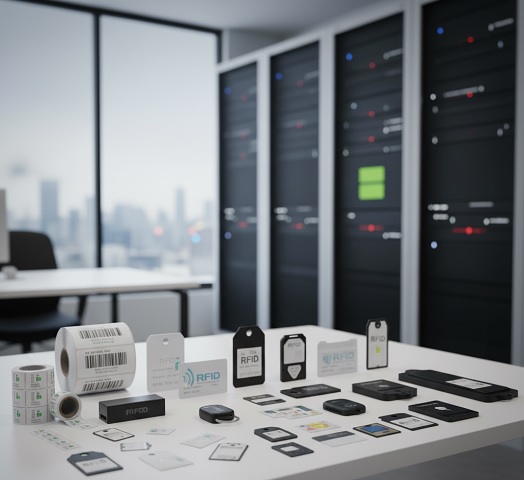
- Tags: Passive UHF RFID tags EPC Gen2 (special KitCheck tags with Impinj Monza/NXP chips) in small form factors for syringes, vials, blisters. Tagging is done by manufacturers (Fresenius Kabi, Genixus) or at the hospital upon receipt.
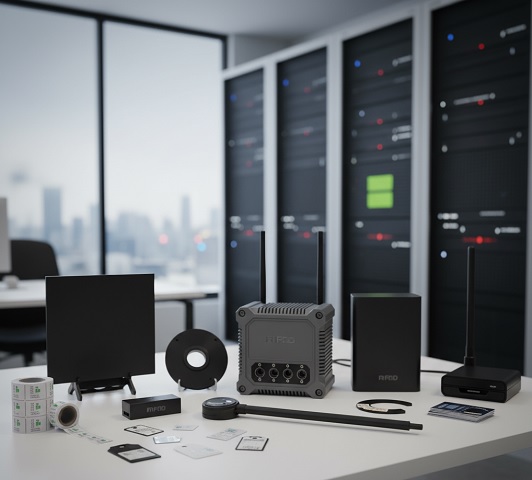
- Equipment: Fixed readers in smart cabinets and tray stations (KitCheck stations) perform bulk reading of up to 200–400 doses simultaneously. Handheld readers are also used for mobile inventory.
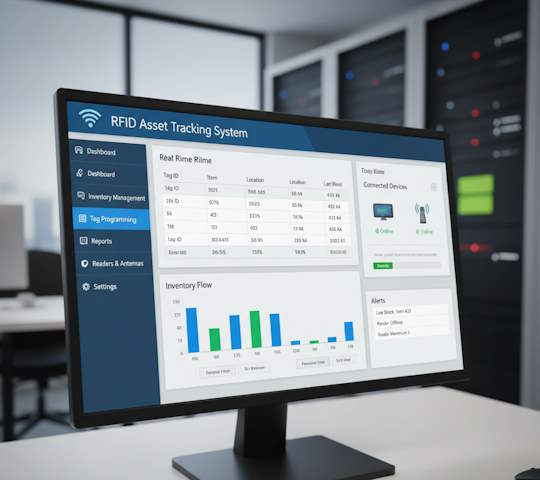
- Software and Integration: Cloud-based Bluesight platform with AI analytics for anomaly and diversion detection. Integrated with Hospital Information Systems (HIS), ERP, and Automated Dispensing Cabinets (ADC).
- Process: Bulk reading at distances up to 3–5 meters, automatic registration, and accurate tracking are ensured.
Process After Implementation (As-is / To-be)
| As-is (Before) | To-be (After) |
|---|---|
| Manual tagging/barcode scanning, periodic inventory | Automatic bulk registration in cabinets/trays, real-time continuous tracking |
| Visual search for expired or diverted items | AI alerts for diversion/expiry, automated tray replenishment |
| Manual reporting for regulators | Automated reporting for DEA and Joint Commission |
| No end-to-end visibility from pharmacy to patient | End-to-end visibility of each dose's movement |
Results (12–36 months)
- Inventory Accuracy: Achieved 98–99.9%.
- Dose Readability: 98–100%.
- Inventory/Replenishment Time: Reduced 10–20 times.
- Waste Reduction from Expiry: By 30–60%.
- Diversion Detection and Prevention: Cases reduced by 40–70%.
- Tray Management Efficiency: Increased by 30–50%.
- Patient Safety and Compliance: Significantly improved.
Economic Effect / ROI
- Reduction in Waste and Diversion Losses: By 30–60%.
- Optimization of Labor Costs for Tracking/Replenishment: By 40–70%.
- Avoidance of DEA Fines for non-compliance.
- Payback Period (PP): 18–48 months due to scale (100M+ tracked doses) and analytics-driven savings.
- ROI (over 3–5 years): Expected in the range of 200–500%, depending on the volume of controlled substances and depth of integration with cabinet systems.
Source Card and Realistic Estimates
| Category | Source / Confirmation | Data Type / Note |
|---|---|---|
| Real Implementations | Bluesight/KitCheck reports (2020–2025), RFID Journal (2015–2024), customer testimonials | >1000 hospitals, 100M+ doses tracked annually, diversion prevention |
| Technical Specifications | KitCheck tag datasheets, Impinj platform | EPC Gen2 tags for vials/syringes, bulk cabinet reading 200–400 doses |
| Integration | Bluesight platform, HIS/ADC integration | Cloud analytics, AI diversion detection, tray management |
| Process Metrics | Bluesight benchmarks, healthcare RFID studies | Inventory accuracy 98–99.9%, replenishment ×10–20 faster, diversion –40–70% |
| Economic Metrics | Bluesight case studies, KLAS Research reports | Waste/diversion reduction 30–60%, labor 40–70%, ROI 200–500% estimates |
Legal-SEO Note
This information is for reference purposes only and is based on public sources. References to trademarks (Bluesight, KitCheck, Impinj, etc.) do not imply affiliation. Professional consultation is recommended for adaptation to specific business needs.
FAQ
What problems does the Bluesight RFID platform solve?
The platform solves inventory errors (10–30% discrepancies), high losses from waste and diversion, manual tracking, low visibility of controlled substances, and non-compliance with DEA regulations.
How does dose-level medication tracking work?
Passive UHF RFID tags EPC Gen2 (special KitCheck tags) are used for syringes, vials, blisters. Medications are tagged by the manufacturer or at the hospital. Readers in smart cabinets and stations perform bulk reading of up to 400 doses simultaneously.
What economic effect was achieved?
Reduction in waste and diversion losses by 30–60%, optimization of labor costs by 40–70%, avoidance of fines. Payback period 18–48 months, ROI 200–500% over 3–5 years.