

Digital Rental: Application of UHF RFID in Equipment and Vehicle Rental Industry
Digital Rental: UHF RFID Application in Equipment and Transport Rental Industry
The global equipment and transport rental market is valued at over $500 billion and grows 5-7% annually. However, the efficiency of many companies is limited by outdated control methods: paper logs, manual inventory, Excel spreadsheets. UHF RFID technology becomes a key digital transformation tool, converting physical assets into manageable digital objects with a payback period of 12-18 months.
Main Operational Problems in the Rental Industry
Executives face systemic challenges:
- Losses and theft: annual losses amount to 3-8% of fleet value, especially in construction equipment and tools.
- Downtime: 15-25% of the time equipment is unused due to planning errors and search issues.
- Lost profit: asset turnover is 20-35% lower than possible due to suboptimal allocation.
- Legal risks: lack of evidence base for customer equipment use leads to disputes.
- High operational costs: 20-30% of expenses are spent on accounting, search, and inventory.
Technological Foundation: UHF RFID Gen2 for Challenging Conditions
Modern RFID systems for rental use the EPC Gen2 standard (ISO 18000-63) with read ranges up to 12 m.
Equipment and Infrastructure
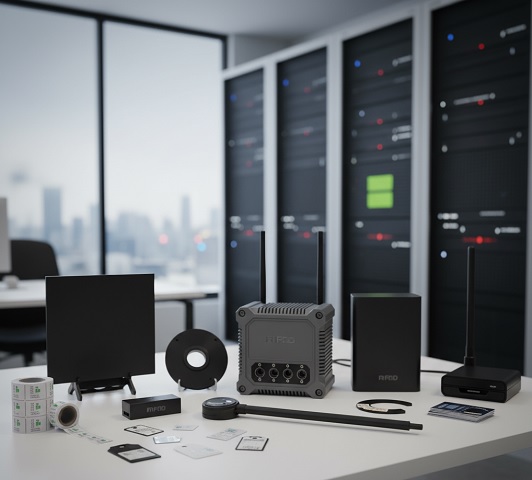
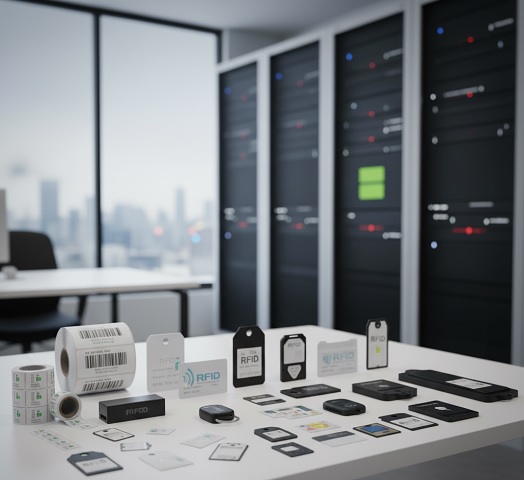
- Tags: industrial solutions from Impinj and Alien Technology withstand temperatures from -40°C to +85°C, impacts up to 100G, and chemical exposure.
- Readers: stationary Zebra FX9600 at entrances/exits and mobile Honeywell for inventory.
- Software: integration with ERP (SAP, Oracle) via standard APIs, cloud platforms for analytics.
International Standards
All solutions comply with GS1 EPC for end-to-end identification and ISO 28560 for rental and library applications, ensuring scalability and compatibility.
Strategic Benefits for Management
Operational Efficiency
- Inventory time reduction from 3-5 days to 2-4 hours (92-95%).
- Automation of check-in/check-out: from 15-20 minutes to 30 seconds per unit.
- Accounting accuracy: 99.9% versus 85-90% with manual methods.
Financial Transparency
Real-time usage tracking enables per-minute billing and increases revenue by 8-12%. Dynamic pricing based on actual utilization.
Financial Analysis: ROI, CAPEX and Savings
| Metric | Before RFID | After RFID | Effect |
|---|---|---|---|
| Equipment losses | $120,000 (4%) | $36,000 (1.2%) | –70% |
| Turnover (times/year) | 3.2 | 4.1 | +28% |
| Inventory | $45,000/year | $8,000/year | –82% |
| Accounting costs | $180,000/year | $72,000/year | –60% |
ROI Calculation for a 500-Unit Fleet
- CAPEX: $220,000 (tags, readers, software, integration)
- Annual OPEX savings: $153,000 + additional revenue $65,000 = $218,000
- Payback period: 14 months
- 3-year ROI: 197% (net present value $430,000)
International Case Studies
Case Study 1: European Construction Equipment Rental Operator
Challenge: managing 2,800 units across 12 EU countries with 5.2% annual losses.
Solution: Impinj RFID implementation integrated with SAP, installation of 4,500 tags and 78 Zebra readers.
Results (18 months):
- Losses reduced to 1.4% (savings €410,000/year)
- Turnover increased from 2.8 to 3.7 (+€280,000)
- Rental preparation time reduced by 65%
- ROI achieved in 16 months
Case Study 2: North American Medical Equipment Rental
Challenge: tracking service life and calibration of 1,500 equipment units under FDA requirements.
Solution: Honeywell RFID with temperature and humidity sensors, NXP tags with memory for service history.
Results (24 months):
- 100% FDA compliance
- 45% reduction in compliance costs ($125,000/year)
- Automated calibration reminders, preventing $85,000 in downtime
- 22% reduction in insurance premiums
- ROI — 18 months
Limitations and When RFID is Not Advisable
Technical:
- Metal surfaces require special tags (+$8–15)
- Liquids and fabrics absorb radio waves
- Temperatures above 200°C require ceramic tags ($50+)
- Radio interference in industrial areas
Economic:
- Small fleet (<50 units): payback over 3 years
- Low asset value (<$500): tag may cost more than benefit
- Long-term rental without movement: minimal effect
Alternatives: QR codes and mobile scanners (60-70% savings compared to RFID), BLE beacons for indoor use.
Frequently Asked Questions (FAQ)
What is the payback period of an RFID system?
On average 12-18 months. For a fleet of 500+ units - 14 months with 40% loss reduction and 25% turnover increase.
What ROI metrics are important for management?
Loss reduction (30-50%), turnover increase (20-35%), inventory time reduction (from days to hours), accounting cost reduction (up to 60%). ROI 22-28% annually with CAPEX $150,000-300,000.
When is RFID not advisable?
For small fleets (<50 units), when renting equipment with high temperatures (>200°C), liquids and gases, with strong radio interference, and if the main business challenge is low demand.
Conclusion: Strategic Growth Tool
For middle and senior management, UHF RFID is not just technology but a strategic business value enhancement tool.
- Financial efficiency: ROI 12-18 months with clear KPIs
- Risk management: reduction of operational and legal risks
- Scalability: readiness for new market entry
- Competitive advantage: technological leadership and service quality
The next step is analyzing current losses and pilot implementation on 50-100 units to verify economics.
Sources and References
- GS1 EPC/RFID Standards — international identification standards
- ISO 18000-63:2015 — UHF RFID standard
- ISO 28560-2:2018 — RFID for asset management
- Impinj White Papers — technical documentation
- Zebra RFID Solutions — implementation case studies
- Honeywell Identification Solutions — industrial solutions