
Technology Assessment of the Brady ID Platform: An Integrated Ecosystem in the Niche of Industrial Labeling
Brady ID is a vertically integrated platform for industrial labeling, safety (LOTO), and automatic identification. Its core strategy is to create a closed-loop cycle of "material-printer-software-support," which is simultaneously its main strength and its primary limitation, locking the customer into a single vendor.
📁 Documentation Access: Pros and Boundaries
The platform offers centralized access to SDS (Safety Data Sheets) and TDS (Technical Data Sheets) libraries. This significantly reduces operational costs for EHS engineers and technical auditors when searching for information.
Trade-off: This deep integration works exclusively within the Brady ecosystem. For companies using third-party materials, the value of this resource is partially lost, creating an information gap.
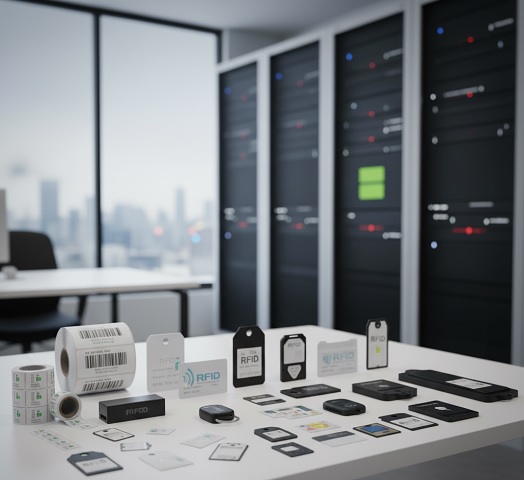
🔍 RFID in the Brady Ecosystem: An Add-on, Not a Specialization
RFID solutions are presented as one module in a broad portfolio, focused on specific scenarios like laboratory inventory. The platform does not position RFID as its core technological competency.
| Parameter | Assessment for Brady ID | Comparison with Pure RFID Players (Impinj, Xerafy) |
|---|---|---|
| Technology Focus | Integration of RFID as part of a labeling solution | Development of processors, antennas, specialized tags |
| Read Range/Complexity | Optimized for static asset labeling at close range | Solutions for high-speed, bulk reading (logistics, retail) |
| Extreme Environments | Standard industrial tags | Specialized tags for metal, extreme temperatures, autoclave |
Conclusion: Brady's RFID is a reliable solution for basic asset tracking tasks within a company's existing infrastructure, but not for building high-performance or specialized RFID systems "from scratch."
⚙️ Evolution Towards Automation: For Whom Is It Excessive?
The platform demonstrates a logical path from manual printing to automated printer-applicator systems. This is a response to the demands of high-volume manufacturing.
Not suitable for: Small businesses with single-unit or small-batch production. The cost of implementation and complexity of integrating automated application lines will not pay off. For them, the solution is handheld printers and standard labels.
🛑 Key Platform Limitations and Trade-offs
- Vendor Lock-in: Deep integration means dependence on a single supplier for equipment, materials, and software.
- Mid-Price Segment: Quality and reliability match the price, but for mission-critical, extreme conditions (chemical industry, long-term outdoor labeling), more specialized, expensive solutions may be required.
- Breadth vs. Depth: Broad coverage (from labels to LOTO) means that in each individual category (especially RFID) there are more narrow and technologically advanced competitors.
📊 Final Audience Filtering
Ideal Brady ID Audience: Medium-sized industrial enterprises seeking to standardize labeling and safety processes, focusing on predictability and full support, not technological extremes.
Who should consider alternatives:
- Large corporations building global RFID tracking systems: They need partners like Impinj or Zebra.
- Enterprises with extreme operating conditions: Aggressive environments, extreme temperatures, direct weather exposure.
- Companies already using a mixed-vendor infrastructure: Integrating Brady may be complex or excessive.
Key Takeaway: Brady ID is not the "best" platform, but optimal for its niche. It offers a balanced, predictable, and supportable solution for 80% of typical industrial identification and safety tasks, consciously sacrificing extreme characteristics and maximum flexibility in favor of integrity and support convenience.
Analysis is based on open data presented on the platform. Assessment relevance is 2026. Technical specifications are subject to change.